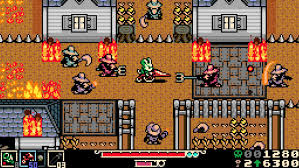
Mina the Hollower Main Story Bosses
Main story boss fights spanning multiple regions of Tenebrous Isle. Community database confirms 26 major boss fights total. Use the progression table below to decide which boss to attempt next based on what you have unlocked.
Recommended Boss Order & Progression
Each region rewards a Spark Generator that powers Ossex and unlocks the next area. Do Queensbury Crypt first — Proto Spark makes every fight after it easier.
| Order | Boss | Region | Come Prepared With | Key Unlock |
|---|---|---|---|---|
| 1 | Nether Kraken | Prologue | Any ranged sidearm | Access to Tenebrous Isle |
| 2 | The Duchess | Queensbury Crypt | Volt Hatchet or Drill Driver; any weapon | Proto Spark trinket — do this first, always |
| 3 | Nox’s Beast | Nox’s Bayou | Proto Spark equipped; ranged sidearm | Nox’s Bayou Generator; opens Bone Beach route |
| 4 | The Carving Man | Septemburg | Weapon Upgrade 1; Evasion Powder trinket | Opens Septemburg Generator path |
| 5 | Skullpox | Septemburg | Area-clear sidearm (Bounding Bombs); Pit Preserver | Septemburg Generator restored |
| 6 | Thorne | Coltrane Peak | Nightstar recommended; Dummy Cache trinket | Opens Coltrane Peak deeper areas |
| 7 | Smorgasboar | Bone Beach | Weapon Upgrade 1+; Bellows Bustle for mobility | Bone Beach Generator restored |
| 8 | Mined Mind | Bone Beach | Recall Disc sidearm; patience — long fight | Bone Beach area complete |
| 9 | Frozen Horror | Coltrane Peak | Thermal Pack trinket; Weapon Upgrade 2 if possible | Coltrane Peak Generator restored |
| 10 | Astromancer | Astral Orrery | Full trinket loadout; Recall Disc for gravity shifts | Astral Orrery progress; late-game unlocks |
| Boss | Area | Key Danger | Strategy & Phase Notes | Most Common Death | Reward |
|---|---|---|---|---|---|
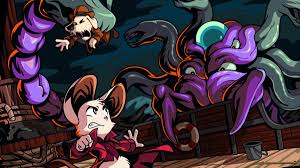
| Nether Kraken | Prologue — Ossex Coast | Tentacle sweeps, pulls you toward its mouth | Ranged sidearm to hit from distance. Burrow immediately when a tentacle sweep starts — the window is generous. When the pull starts, move toward the edge of the boat and stay there. | Standing still during the pull and getting caught by a tentacle while repositioning | Prologue completion, reach Tenebrous Isle |
| The Duchess Do First |
Queensbury Crypt | Wide stone-arm swings; jumps to trigger arrow traps | Phase 1: Burrow the moment you see the arm wind-up. Move to her far side when she jumps to the trap buttons — she blocks the arrows for you. Phase 2 (half health): Arm swings become faster. Volt Hatchet or Drill Driver for safe ranged damage. Nightstar with Upgrade 1 keeps you at ideal distance for the whole fight. | Being too close during Phase 2 arm swings; arrow traps hitting from behind | Proto Spark trinket, Queensbury Generator |
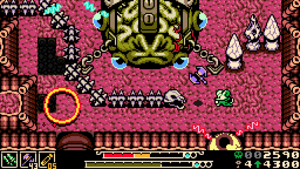
| Nox’s Beast | Nox’s Bayou | Bouncing attacks across deep-water arena; second mouth suck-in | Phase 1: Stay on the three dry platforms. Track the bounce trajectory and move perpendicular to it, not straight back. Phase 2 (suck-in activated): Equip a throwable sidearm before this fight — Gyro Dagger or Volt Hatchet works. Fire into the open mouth during the suck. Dodge by jumping sideways before the bounce lands, not after. | Falling into the water during a repositioning jump; not having a ranged sidearm for the suck phase | Nox’s Bayou Generator |
| The Carving Man Missable Trinket |
Septemburg | Short lunges; grab lunge; spawns four chasing heads late in fight | Phase 1: Stay directly above or below — all attacks go horizontal. Phase 2 (lightning): Circular waves: jump over. Spinning waves: burrow. Alternate. Phase 3 (four chasing heads): Stop attacking the boss. Destroy all four heads first — being caught between heads and the boss body is a guaranteed death. Only re-engage after the arena is clear. | Getting cornered between the four heads and the boss body in Phase 3 | ⚠ Save the students first — there is a unique trinket tied to the student-rescue quest in Septemburg. If you defeat The Carving Man before completing it, the trinket is permanently missed. Septemburg progress |
| Skullpox | Septemburg | Poison projectiles; skull minion summons | Treat each minion wave as a mini-fight before re-engaging Skullpox. Bounding Bombs or Gnawing Ghosts clears minion clusters fast. Burrow through poison clouds rather than trying to dodge around them — the cloud hitbox extends further than it looks. Attack Skullpox only during the brief pause after a projectile volley. | Getting hit by a poison cloud while focusing on Skullpox and ignoring a minion behind you | Septemburg Generator |
| Thorne | Coltrane Peak | Trident three-hit combo tracks you; bomb trails; tornado burst | Trident combo: Bait all three hits deliberately, then punish during the full recovery animation. Bomb trail: Stay diagonal from Thorne — never directly ahead or behind. Tornado burst: Burrow as soon as the warning appears, not when the tornado reaches you. Nightstar is ideal: its reach lets you punish without closing in after the combo. | Burrowing too late for the tornado burst; standing in the bomb trail path | Coltrane Peak progress |
| Smorgasboar | Bone Beach | Charge attacks; ground-slam shockwaves | Charges: Let the boar commit to a charge, step aside at the last moment, and bait it into a wall to trigger the stagger. That stagger window is your main damage phase. Shockwaves: Jump immediately or burrow — do not try to run away horizontally. Bellows Bustle trinket (air dash) makes both dodges significantly easier. Blaststrike Maul deals maximum charge damage during the stagger window. | Misjudging shockwave timing and getting hit at the edge of the wave radius | Bone Beach Generator |
| Mined Mind | Bone Beach | Remote-detonated mine placement; splits into smaller forms | Mine phase: Watch where mines land and memorise two safe zones before moving. Never detonate them by accident — keep distance. Split phase: The smaller forms are faster but have much less health. Pick a single target and kill it before engaging the next. Recall Disc lets you teleport out of a cluster instantly. This is an attrition fight — Proto Spark and Iron Lung over damage trinkets. | Accidentally triggering a mine cluster while retreating from the smaller forms | Bone Beach area reward |
| Frozen Horror | Coltrane Peak | Ice projectile spread; freezes ground; phase change at half health | Phase 1: Thermal Pack trinket negates the frozen-ground slow entirely — equip it. Keep moving in wide arcs to stay ahead of ice patches. Phase 2 (half health): Adds fast dash attacks to the pattern. When the dash starts, burrow or jump — never sidestep. After the dash, punish immediately before the next ice spread. Steady Soles trinket reduces knockback from the ice slam. | Getting hit by a Phase 2 dash because you tried to dodge sideways instead of burrowing | Coltrane Peak Generator |
| Astromancer | Astral Orrery | Star projectile patterns; gravity-shift mechanic | Star patterns: Watch the initial launch point, not the projectile. There is a consistent safe lane in the centre-left of the arena for every star volley. Gravity shifts: Burrow the moment the arena colour changes — do not wait for the shift to complete. Recall Disc placed in your safe zone lets you teleport back instantly after a failed dodge. This is a pattern-recognition fight; spend the first two attempts learning, not dealing damage. | Reacting to gravity shifts after they start instead of burrowing at the colour change warning | Astral Orrery progress |
| Sparkmancer | Spark-themed dungeon | Electric projectile volleys; spark field hazards | Keep maximum distance at all times — electric volleys have wide spread but fall off sharply at range. Burrow through spark fields rather than jumping over them. Evasion Powder trinket gives invincibility frames after each burrow, which pairs well with the constant need to move through hazards. Iron Lung recommended for the extended fight duration. | Getting caught in a spark field while repositioning after a volley | Area progression |
| Madd House | Haunted manor dungeon | Chaotic attack patterns; room hazards | In chaotic multi-attack fights, stop and read one attack at a time. Ignore damage opportunities and focus purely on survival for the first attempt. Room hazards are the secondary threat — position yourself away from walls and corners at the start of every new attack phase. Dummy Cache trinket provides a free hit absorption that recharges, essential for learning an unpredictable pattern. | Panicking during chaotic phases and running into room hazards while trying to escape an attack | Area progression |
| Malady | Plague-themed region | Poison and disease mechanics; area denial | Poison fights are attrition fights. Prioritise Pit Preserver and Vascular Syrup over damage trinkets — you will take chip damage regardless. Burrow through poison clouds for the fastest way to cross denied zones. Attack only when standing on clean ground. Flame Guard trinket reduces elemental damage and stacks well with Vascular Syrup regen in sustained fights. | Standing in a poison zone to land an extra hit, taking avoidable chip damage that compounds over the fight | Area progression |
| Mock Moon | Late-game lunar arena | Lunar projectile phases; gravity mechanics | Late-game gravity mechanics require the same discipline as Astromancer: burrow at the warning, not at the effect. Lunar projectile phases come in predictable arcs — find the gap in the arc and stand in it. Recall Disc placed at your safe arc gap lets you return to it instantly. At this stage in the game your full trinket loadout should be established; do not go into Mock Moon with a half-built set. | Repositioning into a projectile arc gap that gets closed by a gravity shift mid-movement | Late-game progression |
| Locomotress Agnes | Frozen Trainyard | Moving arena; rail-based attack patterns | Moving-arena fights punish standing still more than any attack does. Always be moving in the direction the train is travelling. Rail-based attacks come from fixed positions — identify which rail segment is active and move off it immediately. Mist Jar sidearm covers large lateral distances instantly and is the best sidearm choice for train-level fights. Bellows Bustle trinket adds an air dash for extra cross-rail mobility. | Stopping to attack without checking which rail segment activates next | Area progression |
| Furgus The Faithful | Cathedral / shrine area | Faith-based attacks; summoning mechanics | Summoning bosses follow the same rule as Skullpox: treat the summons as the primary fight. Furgus is much easier to damage during and after summoning — use that window. Gnawing Ghosts sidearm hits summoned minions from across the arena without requiring repositioning. Seismic Belt trinket extends your attack reach during the clear phase. Do not fight Furgus in full summon waves — always clear first. | Engaging Furgus directly while active summons are still alive, getting overwhelmed from both sides | Area progression |
| Lumenarks | Light-themed dungeon | Blinding light attacks; multi-target beams | Light beam fights require you to track multiple hitboxes simultaneously. Burrow is your primary evasion — beams cannot hit you underground. Identify which beam rotates and which stays fixed; the rotating beam is always the priority dodge. Dead Leaf trinket (damage bonus at full health) rewards cautious play: if you avoid the fixed beam entirely, you deal bonus damage on every hit against the rotating-beam window. | Getting clipped by the fixed beam while dodging the rotating beam because you tracked only one | Area progression |
| Major Miner | Underground mine complex | Ground-slam attacks; mine cart hazards | Ground slams create shockwaves identical in principle to Smorgasboar — jump immediately, do not run. Mine cart hazards move on fixed tracks; learn the track pattern in the first attempt and avoid those lanes for the rest of the fight. Drill Driver sidearm is thematically and mechanically fitting: its knockback dash repositions you off a mine cart lane instantly. Blaststrike Maul deals strong punish damage after each ground-slam recovery. | Running along a mine cart track lane while dodging a slam, getting hit by a cart mid-dodge | Area progression |
| The Congealed | Alchemical facility | Slime split mechanics; toxic pool hazards | Split mechanics work like Mined Mind: pick one fragment and kill it before engaging another. The toxic pool expands after each split — map the safe ground at the start and defend it. Hollower’s Rocks sidearm bounces inside the arena walls and hits multiple fragments without requiring repositioning. Pit Preserver is essential if any pool hazard overlaps a platform edge. Whisper & Vesper’s fast attack speed maximises damage in the short window between splits. | Losing track of safe ground as pools expand, forcing a retreat into another fragment | Area progression |